Affiliate notice: As an Amazon Associate I earn from qualifying purchases.
Small-space shortlist
Best Home Office Products for Small Spaces
A small home office is not simply a full-size workspace with smaller furniture. Every product has to earn its footprint, leave enough clearance for movement and make the room easy to reset. This shortlist prioritises compact formats and practical storage without pretending that one layout suits every alcove, bedroom corner or shared living room.
Bottom line
How to approach this setup
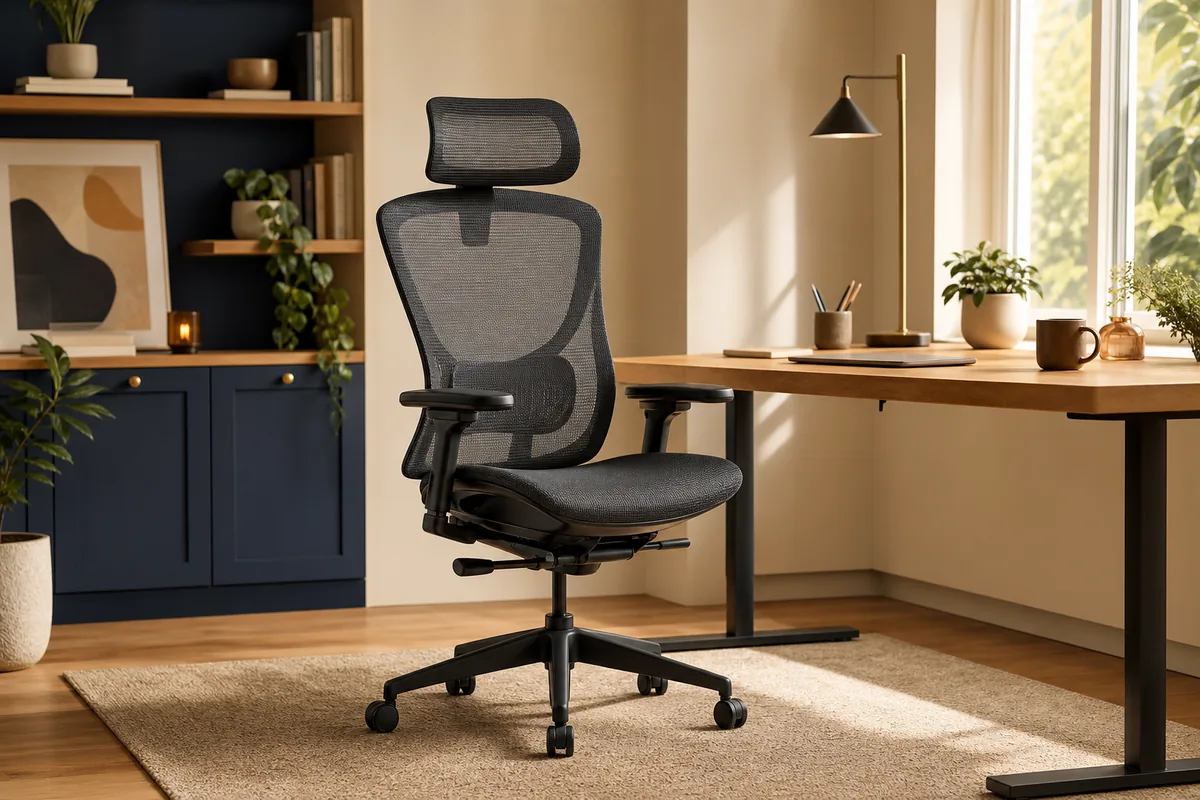
Start with the desk and chair clearance, then protect usable desk depth with elevated screens and controlled cables. The strongest small-space plan is the one that remains comfortable when the chair is pulled out, doors still open and everyday items are connected—not the plan with the smallest individual product dimensions.
The shortlist
Products matched to the use case
SetupSelect has researched these products but has not hands-on tested them. Confirm the exact model, seller, current specification and suitability before buying.
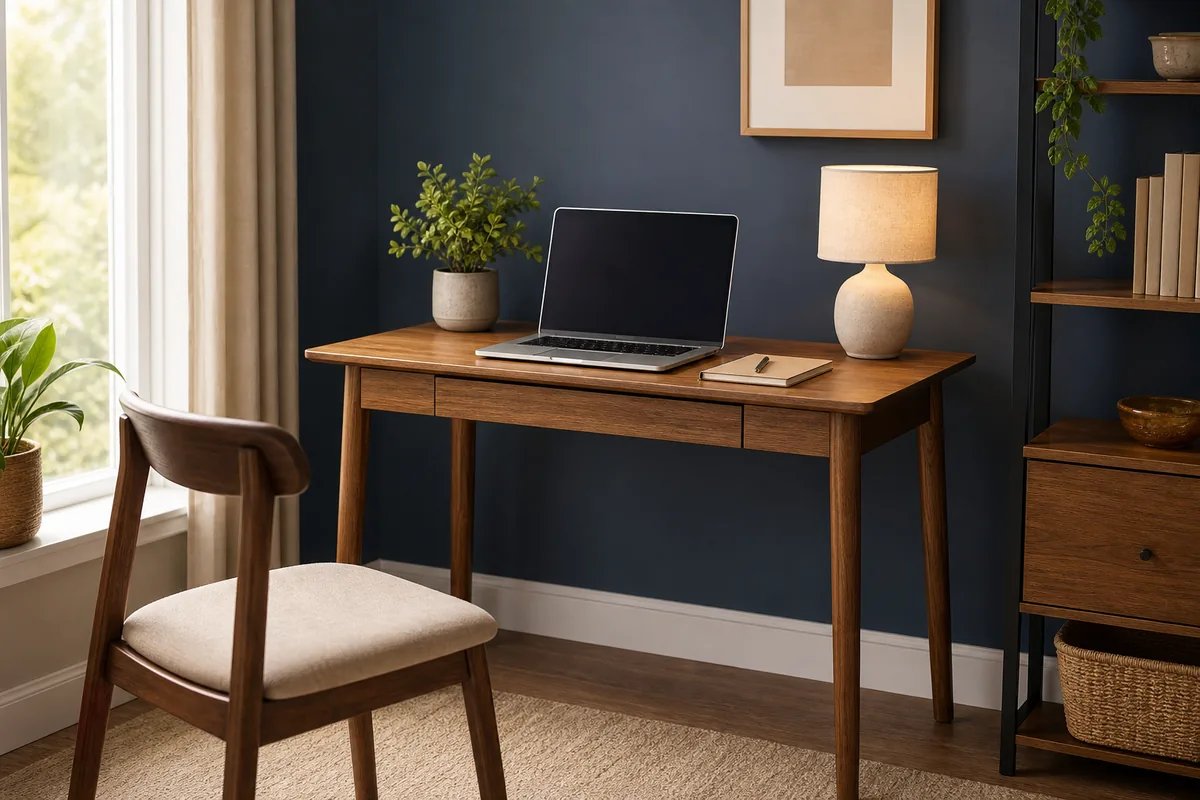
FLEXISPOT E1 100cm Standing Desk candidate
This individually purchasable option fits the page's selection theme on the available catalogue evidence. Confirm the exact variant, specification, seller and returns on Amazon.
Editorial catalogue score, not personalised Fit: 85
This individually purchasable option fits the page's selection theme on the available catalogue evidence. Confirm the exact variant, specification, seller and returns on Amazon.
Editorial catalogue score, not personalised Fit: 88
This individually purchasable option fits the page's selection theme on the available catalogue evidence. Confirm the exact variant, specification, seller and returns on Amazon.
Editorial catalogue score, not personalised Fit: 79
This individually purchasable option fits the page's selection theme on the available catalogue evidence. Confirm the exact variant, specification, seller and returns on Amazon.
Editorial catalogue score, not personalised Fit: 83
This individually purchasable option fits the page's selection theme on the available catalogue evidence. Confirm the exact variant, specification, seller and returns on Amazon.
Editorial catalogue score, not personalised Fit: 90
This individually purchasable option fits the page's selection theme on the available catalogue evidence. Confirm the exact variant, specification, seller and returns on Amazon.
Editorial catalogue score, not personalised Fit: 84
Record wall width, skirting-board depth, sockets, radiator clearance and the fully open door path. Then add chair movement behind the desk and the depth needed for the screen at a comfortable viewing distance. A desk that technically fits the wall can still fail if the chair blocks circulation or the screen sits too close.
Preserve clear surface area
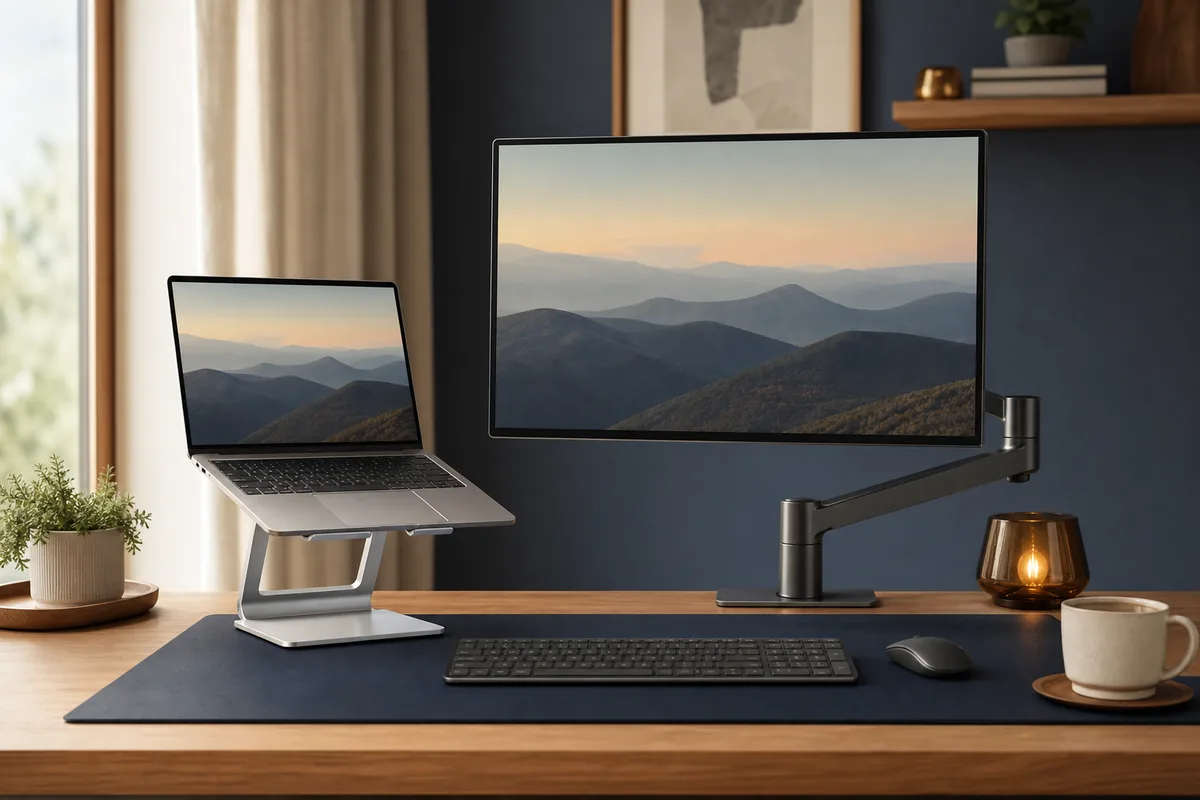
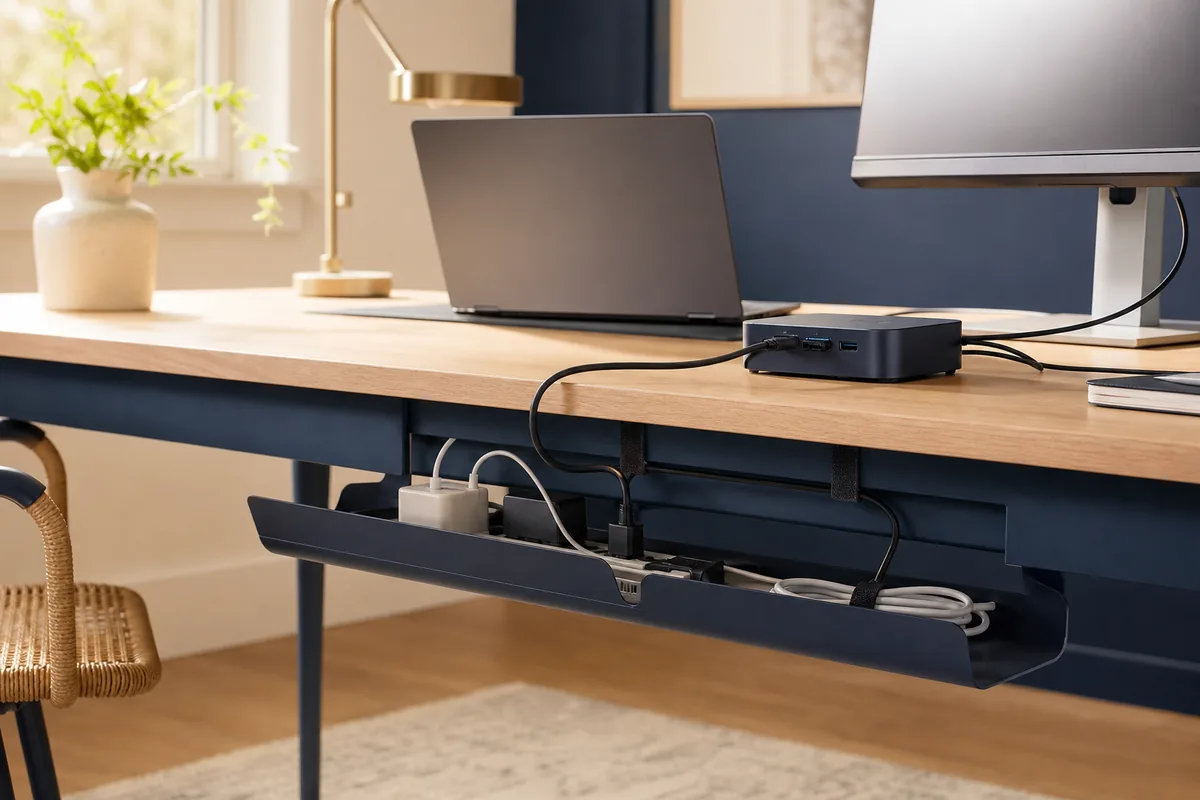
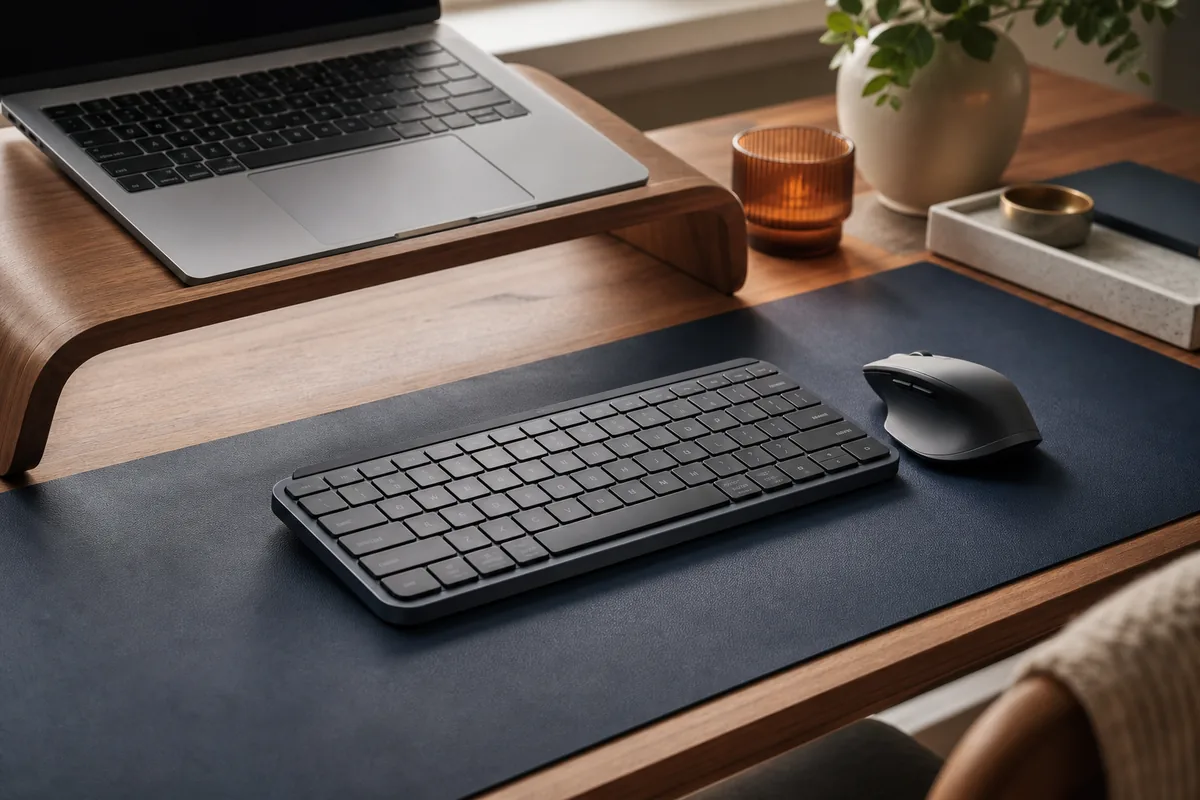
Small desks become difficult when stands, chargers and cable slack occupy the same zone as the keyboard. Elevating a laptop, containing adapters and choosing compact input devices can be more useful than adding storage. Keep frequently used controls reachable and avoid stacking equipment where ventilation or stability could be affected.
Plan how the room resets
In a bedroom or living room, the best setup may need to disappear visually at the end of the day. Decide where the chair, keyboard and work materials go before buying. Folding and portable products help only when their folded dimensions, weight and storage location are genuinely convenient.
Check before buying
Measure chair clearance with someone seated.
Check desk depth against screen viewing distance.
Confirm stand compatibility with the exact laptop or monitor.
Keep power adapters ventilated and accessible.
Verify every current dimension and return condition with the seller.
Make it yours
Turn this shortlist into an editable plan
Open these picks in the setup plan builder, change the priority or price band, remove sections and share the resulting URL.
Measure the desk and chair envelope first. Those two items define circulation, viewing distance and most of the budget. Add stands, lighting and cable control only after the primary layout works.
Is a folding desk always best for a small room?
No. Folding helps only when the desk is genuinely packed away and there is a convenient storage position. A stable compact desk may be better for daily work.